Start with four checks you can do yourself: certification by the American Board of Plastic Surgery, a New Jersey medical license with no public discipline, an accredited or state-licensed facility for the operation, and a set of the surgeon’s own before-and-after photos for your procedure. Then use the consultation to judge everything a website can’t show you.
Most people do this in the opposite order. They find photos they like on Instagram, book a consultation, and only look up the credentials afterward, if at all. That works out fine most of the time. When it doesn’t, it’s usually because one of those four checks would have caught the problem.
If you’re comparing surgeons for a breast augmentation in NJ, or any other procedure, the sections below go through each check in turn, then what to listen for once you’re in the room.
What does “board-certified plastic surgeon” actually mean?
It means a surgeon completed a residency in plastic surgery and then passed written and oral exams set by a certifying board. The board that matters is the American Board of Plastic Surgery, the only plastic surgery board recognized by the American Board of Medical Specialties.
“Board-certified” on its own doesn’t say which board, and that’s where a lot of patients get caught out. A doctor can be board-certified in dermatology, family medicine or something called cosmetic surgery and still advertise breast augmentation. None of those boards require a plastic surgery residency. The words to look for are the full name of the board, not the phrase on its own.
Surgeons who trained as osteopathic physicians (DO rather than MD) have a second legitimate route. The American Osteopathic Board of Surgery certifies in plastic and reconstructive surgery through the American Osteopathic Association, with its own written, oral and clinical exams. A DO surgeon may hold that certification, the ABPS certification, or both.
Checking takes about a minute. The American Board of Plastic Surgery has a free lookup on its website: type in the surgeon’s name and it shows whether the certification is current.
What does “double board-certified” mean?
It means the surgeon holds certification from two separate boards. For plastic surgeons, the usual pairing is general surgery and plastic surgery, because many plastic surgeons complete a full general surgery residency before their plastic surgery training.
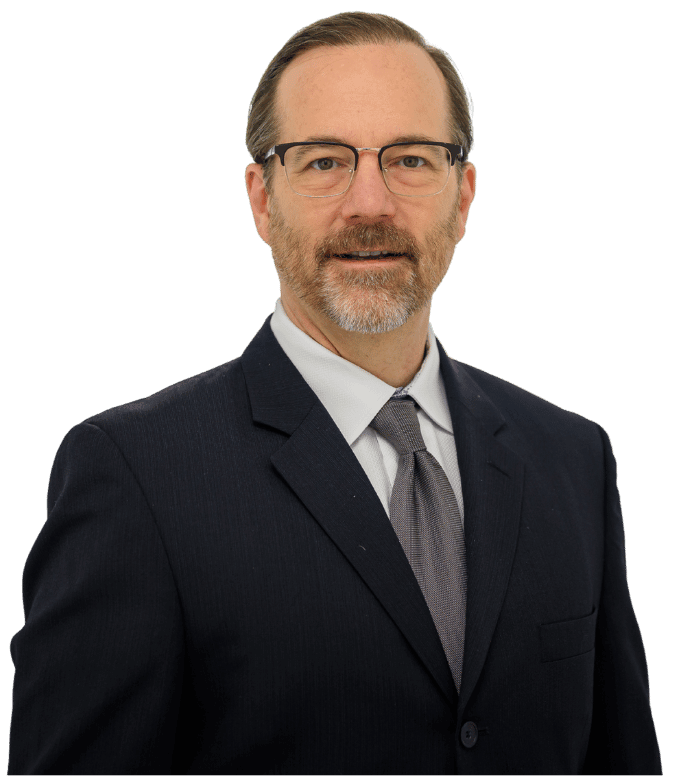
That’s the case for Dr. Gartner, who is double board-certified in general surgery and plastic surgery and a Fellow of the American College of Surgeons.
What the second certification tells you is how long and how broad the training was. It doesn’t, by itself, tell you how often a surgeon performs the specific operation you want. That’s a separate question, and you should ask it directly.
How do I check a surgeon’s license in New Jersey?
Patients skip this one more than any other, mostly because it sounds like paperwork. It’s handled by the New Jersey State Board of Medical Examiners, part of the Division of Consumer Affairs, and its license verification service confirms whether a license is active and whether there is any public disciplinary action on record.
A license is the legal minimum to practice medicine in the state. It doesn’t say anything about specialty training, which is why it comes second to board certification rather than replacing it. What it does catch is a suspension, a restriction or a past disciplinary order that a practice website would never mention.
Where will the operation actually happen?
Ask for the name of the facility, then ask how it is accredited or licensed. Surgery should take place in a hospital, a state-licensed surgery center, or an office operating room accredited by a recognized body such as AAAASF, AAAHC or The Joint Commission.
Accredited facilities are inspected on a schedule. The inspection covers things you can’t assess from the waiting room: emergency equipment, sterilization, staffing, how patients are monitored during and after surgery, and what happens if someone needs to be transferred to a hospital.
Then ask two more things. Who gives the anesthesia, and what are their qualifications? And does the surgeon hold privileges at a local hospital? Hospitals grant privileges only within the specialty a surgeon is trained and certified in, so privileges are an independent check that someone else has already reviewed.
Our own surgery center in Paramus is licensed by the State of New Jersey and accredited by AAAASF. Awake procedures under local anesthesia are performed on site.
What should the before-and-after photos show?
They should be the surgeon’s own patients, for the procedure you’re considering, and there should be enough of them that you’re not just seeing the three best results of a career.
Look for patients whose starting point resembles yours. A breast augmentation photo of someone with very different chest width, skin quality or existing breast tissue won’t tell you much about your own result. Consistent lighting and angles between the before and after shots are a good sign. Dramatic changes in lighting, posing or editing are not.
It’s fair to ask how long after surgery each photo was taken. Results at six weeks and at a year can look quite different, especially with implants, which take months to settle. Our breast augmentation before and after gallery is a reasonable place to see what consistent photography looks like.
What should happen at the consultation?
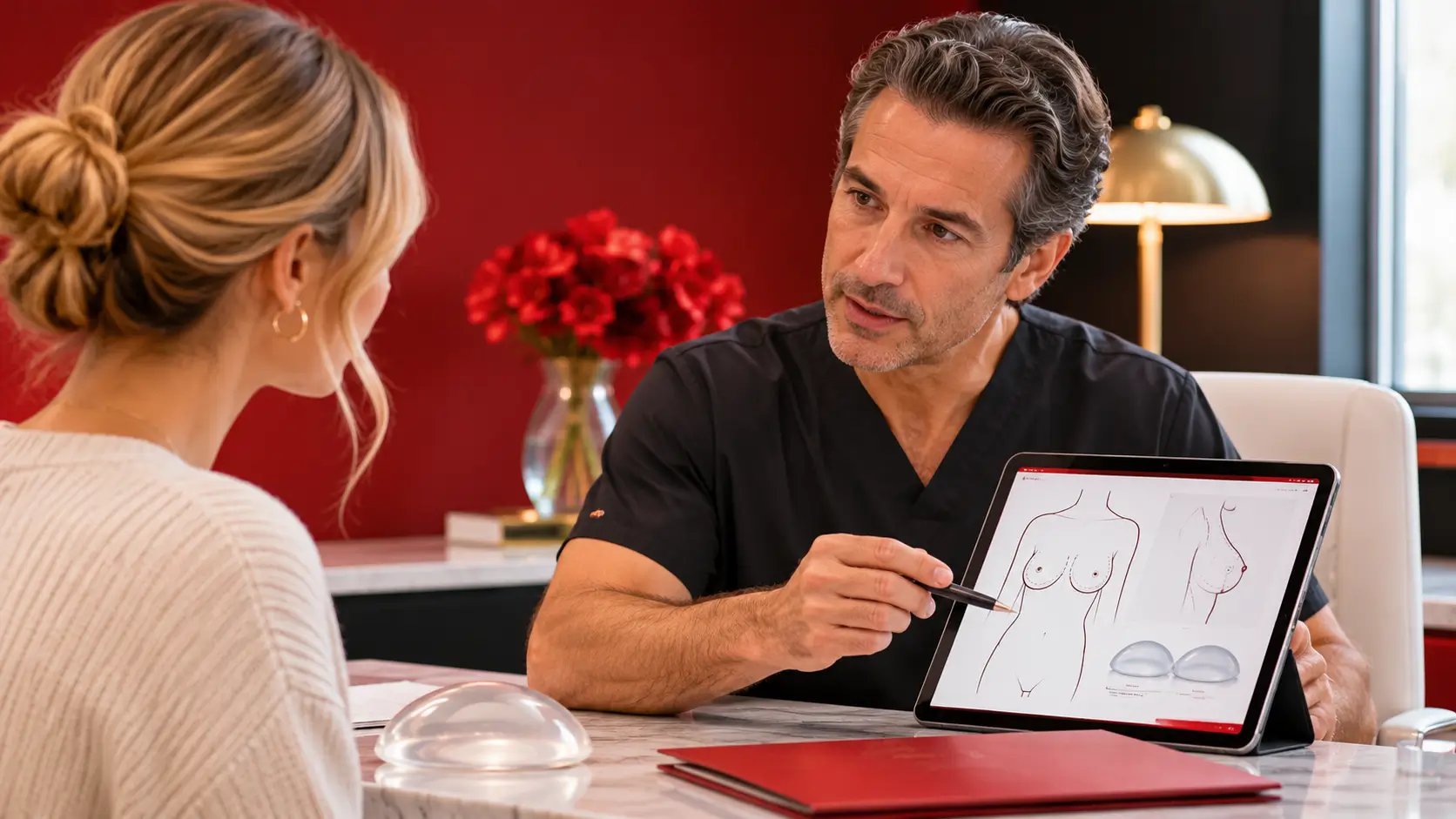
The surgeon should examine you, take measurements, and talk about your anatomy before talking about implant sizes, packages or prices. If most of the first half is spent on financing and package pricing, the priorities are in the wrong order.
A good consultation also includes some disagreement. A surgeon who agrees to everything you ask for, exactly as you describe it, is taking an order rather than offering a surgical opinion. Expect to hear what’s realistic for your body, which risks apply to you specifically, and occasionally that a different procedure would suit you better.
You should leave with a written quote that lists what’s included. At Gartner Plastic Surgery, the consultation fee is $200 and it is credited toward surgery if you go ahead. Our published average prices are on the prices page, and the exact figure is confirmed at the consultation.
Questions worth asking any plastic surgeon
Bring a list. It’s easy to forget half of it once you’re there.
| Question | What a good answer includes |
|---|---|
| Which board certifies you in plastic surgery? | The full name of the board, which you can then verify yourself |
| How often do you perform this procedure? | A straight answer about volume, not a change of subject |
| Where will my surgery be done, and how is it accredited? | A named facility and a named accrediting body or state license |
| Who gives the anesthesia? | A specific person and their qualifications |
| What are the most common complications for someone like me? | Specific risks for your case, with how they’re handled |
| What happens if I need a revision? | A clear policy, including who pays for what |
| Who do I call at night during recovery? | A real number answered by the surgical team |
| What does the quote include? | Surgeon, facility, anesthesia, garments and follow-up visits, itemized |
Which warning signs should make you walk away?
Any one of these is enough reason to keep looking.
- Discounts that expire if you don’t book today
- No physical examination before a price or a plan is given
- Guarantees about the result, or a claim that there are no risks
- Vagueness about which board certified the surgeon, or where the surgery happens
- Photos that can’t be confirmed as the surgeon’s own patients
- Consultations held entirely with a coordinator, with the surgeon appearing only on the day of surgery
A large social media following doesn’t belong on either list. It shows how well a practice markets itself and says very little about surgical training.
Do reviews and awards matter?
We’ll be upfront here, since we have a few awards of our own. Reviews and awards are useful as a second layer once the credentials check out, but they can’t replace those checks.
Reviews are most informative when you read the ones about your procedure and pay attention to how the practice handled problems, not just how happy people were at the end. Awards and “top doctor” lists are mostly editorial or peer-nominated. Dr. Gartner was named to Newsweek’s America’s Best Plastic Surgeons 2026 for breast augmentation, and we’re glad of it. We’d still rather you verify the board certification first. You can read what patients have said on our reviews page.
Common questions
How do I choose a plastic surgeon?
Confirm certification by the American Board of Plastic Surgery, check the surgeon’s state license for public discipline, ask where the surgery will take place and how that facility is accredited, and review the surgeon’s own before-and-after photos for your procedure. Then use the consultation to see whether the surgeon examines you and gives you an honest opinion.
How do I find out if a plastic surgeon is board-certified?
Search the surgeon’s name on the American Board of Plastic Surgery website, which has a free public lookup. For osteopathic certification, the American Osteopathic Association can confirm a surgeon’s status. Ask the surgeon which board certified them so you know which lookup to use.
Is a cosmetic surgeon the same as a plastic surgeon?
Not necessarily. A doctor from any specialty can perform cosmetic procedures and describe themselves as a cosmetic surgeon. A plastic surgeon certified by the American Board of Plastic Surgery has completed a plastic surgery residency and passed that board’s exams. Ask which board certified them.
What is a double board-certified plastic surgeon?
A surgeon certified by two separate boards, most often in general surgery and in plastic surgery. It reflects a longer, broader surgical training. It doesn’t on its own tell you how often the surgeon performs your specific procedure, so ask that separately.
How much is a plastic surgery consultation at Gartner Plastic Surgery?
The consultation fee is $200, and it is credited toward the cost of surgery if you go ahead with the procedure.
Ask us the same questions
Everything on this list applies to us as much as anyone else. Bring it to your consultation, ask which board certified Dr. Gartner, ask to see the facility, and ask about the complications that apply to you. A practice that’s comfortable with those questions is usually comfortable answering them in writing, too.
Call (201) 546-1890 or request a consultation at our Paramus office. If you’re weighing the awake option specifically, our article on the risks of awake breast augmentation covers what to ask about that too.
References
- American Society of Plastic Surgeons. How to find a plastic surgeon.
- American Society of Plastic Surgeons. Is your plastic surgeon board certified?
- American Board of Plastic Surgery. Is your surgeon certified?
- American Osteopathic Board of Surgery. Plastic and reconstructive surgery certification.
- New Jersey State Board of Medical Examiners. License verification.