So, you are feeling pretty good about your newly scheduled cosmetic surgery procedure. You were careful, devoting hours to research on surgeons and procedures, making sure everything was just right. But did you look into WHERE the procedure will be performed? Are you sure you chose an accredited surgical facility with a clean background? This is a detail that many people overlook, assuming the operating room will be fine. However, choosing an accredited facility is vital for a safe experience.
Why Would a Surgeon Use an Unaccredited Facility?
You may wonder why any surgeon would use a less than exemplary surgical facility. One answer is painfully obvious – the cost. An easy way for a surgeon to cut their overhead is to use the cheapest operating room possible. Of course, no respectable surgeon would take this shortcut, so if you find out there is not an accredited surgical suite included, it is time to find a new doctor. The added expense will be worth it.
A fly-by-night surgical facility could also be a red flag about the surgeon’s background. His or her privileges may have been suspended at the accredited hospital or its associated surgery center. This could happen because of medical mistakes or behavior problems. No matter the reason, do not put yourself in this risky situation; move on.
10 Reasons Accreditation Matters
- An accredited facility monitors and reports infections, complications and other patient-safety issues.
- Protocols for emergencies, fires and bad weather are in place and reviewed regularly.
- Credentials are checked routinely, so no unlicensed professionals are working.
- Quality management covers equipment, supplies and staffing.
- Patient care plans are reviewed and kept up to date.
- Patient rights and responsibilities are clearly displayed.
- Medications and supplies are checked so nothing is past its expiration date.
- Surgeons take part in peer review, which keeps the quality of care consistent.
- Anesthesia standards are clearly set, and anesthesia is given by qualified, licensed providers.
- Accredited outpatient facilities have very low rates of serious complications.
Accredited Facilities and Plastic Surgery
The American Society of Plastic Surgeons (ASPS) requires member surgeons to use operating facilities that are routinely monitored for quality and safety. Accreditation and state licensure are vital components of an approved surgical center. Patients can put their trust in these surgeons and facilities, knowing they will have the best chance for effective, satisfying results.
An ASPS-Approved Surgical Center must have at least one of the following:
- Accreditation by the American Association for Accreditation of Ambulatory Surgery Facilities (AAAASF)
- Accreditation by the Accreditation Association for Ambulatory Health Care (AAAHC)
- Accreditation by The Joint Commission
- Participation in the Medicare program (Title XVIII)
- State licensure in the state where it operates
How to Know if Your Surgery Center Is Accredited
There are three bodies that certify surgery centers in the United States. The Joint Commission accredits hospitals and many outpatient centers. The Accreditation Association for Ambulatory Health Care (AAAHC) and AAAASF provide certification for outpatient and office-based surgical centers. While accreditation is optional, participation means a facility holds high standards for patient care and safety. Expect nothing less for your upcoming cosmetic surgery procedure.
Finding out is simple. Ask your surgeon which organization accredits the facility, then check with The Joint Commission, AAAHC or AAAASF.
Our Surgery Center
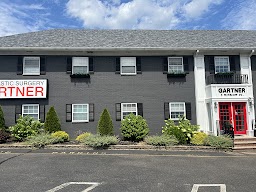
Our surgery center in Paramus is licensed by the State of New Jersey and accredited by AAAASF. You can read more about it on our clinic page.
To see what Dr. Michael Gartner offers, explore our plastic surgery procedures in NJ or schedule a consultation at our Paramus office.
Medically reviewed by Michael Gartner, DO, FACS, double board-certified plastic surgeon. Last reviewed November 2026.